Skip to content
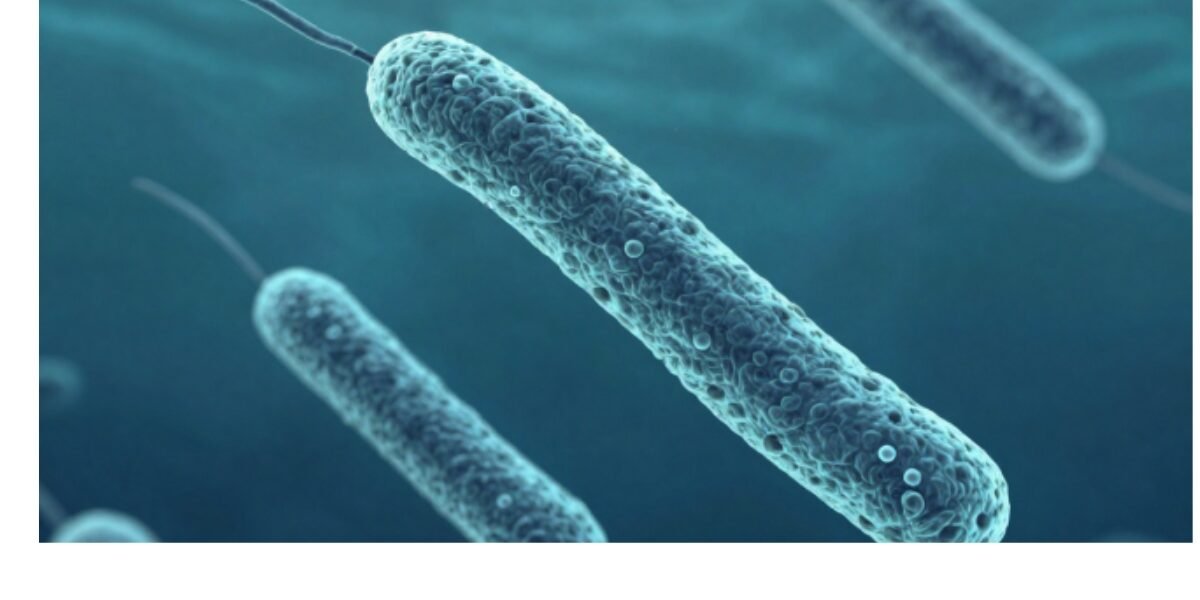
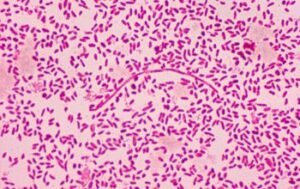
What is bacterium louisiana vibrio vulnificus? Vibrio vulnificus is not a virus but a highly dangerous bacterium found in warm coastal waters, including Louisiana, that can cause life‑threatening infections when it enters the body through raw seafood (especially oysters) or open wounds exposed to seawater. It is sometimes called a “flesh‑eating bacterium” because of its ability to rapidly destroy skin and soft tissue.
What is Vibrio vulnificus?
-
Type: Gram‑negative, salt‑loving (halophilic) bacterium.
-
Habitat: Warm, brackish coastal waters (where rivers meet the sea).
-
Seasonality: Most common between May and October, when water temperatures are higher.
-
Transmission:
-
Eating raw or undercooked shellfish (especially oysters).
-
Seawater entering cuts, scrapes, or surgical wounds.
Symptoms & Complications
-
Rapid onset (within 24 hours):
-
Fever, chills, nausea, vomiting, diarrhea.
-
Painful, swollen skin with large fluid‑filled blisters.
-
Dangerously low blood pressure, dizziness, confusion.
-
Severe complications:
-
Sepsis (blood infection).
-
Necrotizing fasciitis (flesh‑eating infection).
-
Organ damage and sometimes amputation.
-
Mortality rate: About 1 in 5 patients die, often within 1–2 days if untreated.
Who is Most at Risk
-
People with liver disease, diabetes, kidney failure, cancer, HIV, or weakened immunity.
-
Those on immune‑suppressing therapy.
-
Individuals with recent piercings, tattoos, or surgeries.
-
Men appear statistically more vulnerable than women.
Prevention & Safety
-
Do not eat raw oysters or shellfish. Cook thoroughly.
-
Avoid seawater contact if you have cuts, scrapes, or surgical wounds.
-
Cover wounds with waterproof bandages if exposure is unavoidable.
-
Wash wounds immediately with soap and clean water after contact.
-
Seek emergency care quickly if wounds become red, swollen, painful, or blistered after water exposure.
Louisiana Outbreak Context (2026)
-
Cases: 9 confirmed.
-
Deaths: 5 fatalities (much higher than the state’s usual average of 1 per year).
-
Cause: All linked to open wounds exposed to seawater.
-
Warning: Louisiana Department of Health urges residents to avoid raw seafood and protect wounds during coastal activities.
Insight: Vibrio vulnificus is a rare but deadly bacterium, not a virus. In Louisiana’s current outbreak, the unusually high death toll highlights how quickly infections can escalate. Immediate medical attention and strict food/wound safety are critical to survival.
Tagged:What is bacterium louisiana vibrio vulnificus?