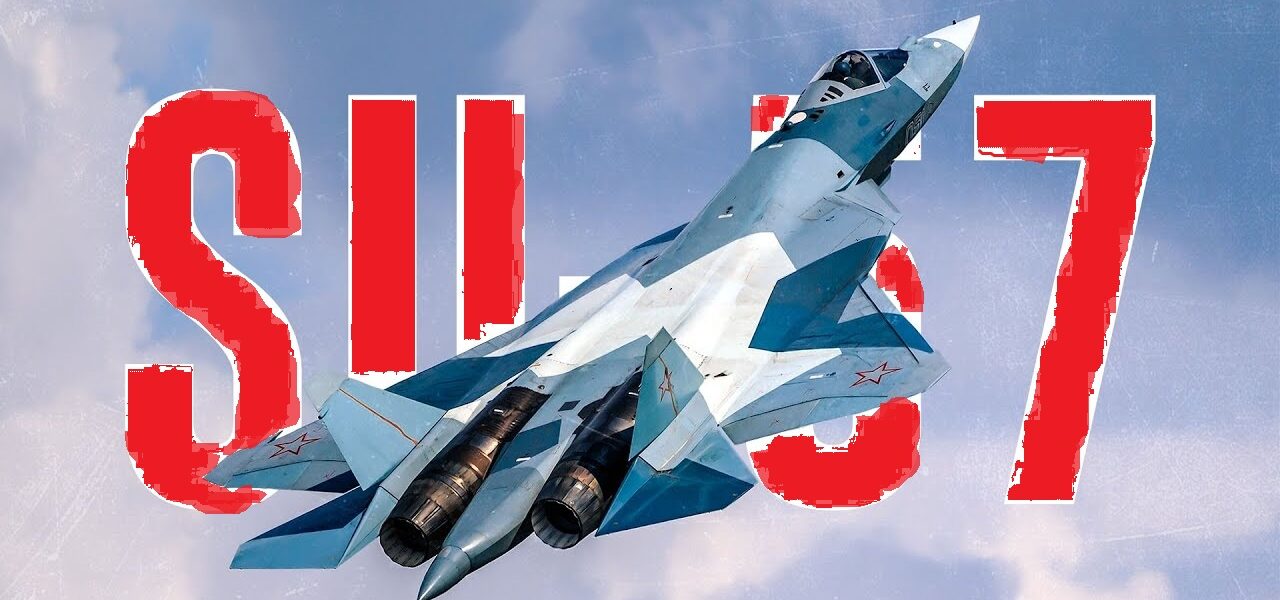

In November 2025, Russia officially offered India a full technology transfer of the Su‑57 fifth‑generation stealth fighter jet, including local production and co‑development options. This marks one of the most expansive defenses offers ever made to India by Moscow.
What Russia Offered
- Aircraft: Sukhoi Su‑57, Russia’s fifth‑generation stealth fighter (rival to the US F‑35).
- Scope of Transfer:
- Unrestricted technology transfer — covering design, production, and upgrades.
- Phased local manufacturing in India.
- Co‑development of a two‑seat Su‑57 variant tailored for Indian Air Force needs.
- Assurances: Russian officials stated that all Indian demands are “completely acceptable”, signaling flexibility on customization.
Why It Matters
- Boost to India’s Air Power: Su‑57 offers super‑maneuverability, stealth, and advanced avionics, potentially redefining India’s aerial capabilities.
- Strategic Timing: The offer comes ahead of President Putin’s visit to India in December 2025, highlighting defense as a major agenda in Indo‑Russian ties.
- Geopolitical Context: Despite Western pressure over the Ukraine war, Russia continues to deepen defense cooperation with India, reinforcing a six‑decade partnership.
- Future Alignment: Russia confirmed support for India’s future fighter programs and participation in the GEN4 era of combat aircraft.
Key Takeaway
Russia’s Su‑57 technology transfer offer is historic, giving India access to fifth‑generation stealth fighter technology with no restrictions. If finalized, it would significantly strengthen India’s aerospace industry and defense autonomy, while cementing Russia as India’s most trusted defense partner.
showing how Russia’s offered Su‑57 stealth fighter technology transfer stacks up against India’s current frontline jets like the Rafale and Su‑30MKI.
Jet Comparison: Su‑57 vs Rafale vs Su‑30MKI
| Feature | Su‑57 (Russia) | Rafale (France) | Su‑30MKI (Russia/India) |
|---|---|---|---|
| Generation | 5th Gen Stealth | 4.5 Gen Multirole | 4th Gen Heavy Fighter |
| Top Speed | Mach 2.0 | Mach 1.8 | Mach 2.0 |
| Range | ~3,500 km | ~3,700 km (with tanks) | ~3,000 km |
| Stealth | Radar cross-section reduction, internal weapons bay | Limited stealth (composite materials, reduced RCS) | No stealth features |
| Avionics | Advanced AESA radar, sensor fusion, AI-assisted systems | RBE2 AESA radar, advanced EW suite | Russian radar + Indian avionics upgrades |
| Weapons | Internal + external carriage, hypersonic missile capable | Meteor BVRAAM, SCALP cruise missile, precision-guided bombs | BrahMos (air-launched), R-77, Kh-series missiles |
| Maneuverability | Supermaneuverable (3D thrust vectoring) | Agile but conventional | Highly maneuverable with thrust vectoring |
| Role in IAF | Potential future backbone if deal finalizes | Current frontline multirole fighter | Current heavy air dominance fighter |
Key Insights
- Su‑57 Leap: Offers stealth and next-gen avionics India doesn’t currently have.
- Rafale Strength: Proven multirole jet with advanced Western weapons integration.
- Su‑30MKI Backbone: India’s workhorse, versatile but aging compared to stealth rivals.
- Strategic Impact: If India accepts Russia’s offer, Su‑57 tech transfer would push India into the 5th-gen fighter club, alongside the US, China, and Russia.
Conclusion!
Russia’s Su‑57 technology transfer could transform India’s air combat capabilities, complementing Rafales for precision missions and Su‑30MKIs for heavy dominance. Together, they’d give India a three-tier fighter fleet: stealth (Su‑57), multirole (Rafale), and heavy dominance (Su‑30MKI).